
Molecular gastronomy is linked to food science and investigates the physical and chemical transformations of ingredients that happens in the cooking process. It is a modern style of cooking and takes advantage of many technical innovations.
In 1988 Hervé This, a french physical chemist first introduced the term “molecular and physical gastronomy” along with Nicholas Kurti, a former professor of physics at the University of Oxford, they both were interested in the science behind the culinary processes.
It has to do with transforming ingredients, but first before transforming you have to know why and how ingredients are transformed, here is when science and physics take place, related strictly to the science behind the cooking, chemical reactions and the manipulation of this science will result in amazing looking and tasty culinary results.
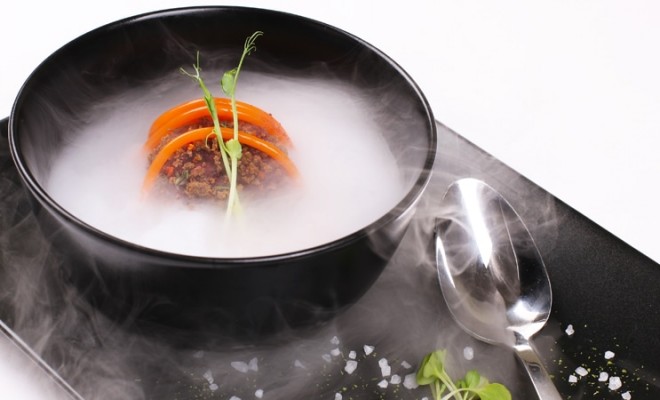
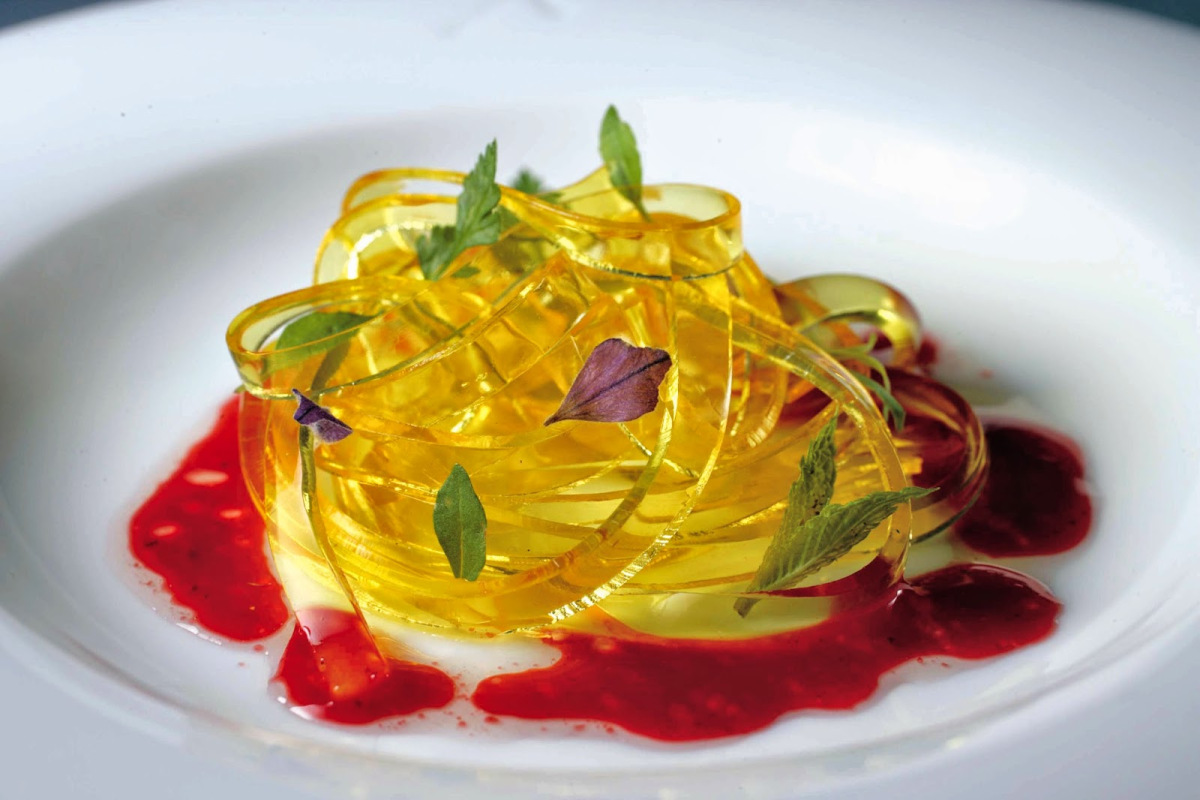
Molecular gastronomy chefs generally try to surprise you by their dishes, you would never guess what are they made of if you have one dish in front of you. They want to trick you. It’s a visual and taste experience that combined with science creates a spectacular show of colors, flavors, textures, and smells. It’s like having a mad scientist who loves cooking, a weird combination. As a matter of fact, when they first started opening molecular cuisine restaurants, they thought it was too crazy, even food critics. It took a while for people and food writers to get the whole concept. This is not about regular techniques of cooking, its about to do the impossible and completely transforming ingredients and taking them to the next level.
One of my favorite exponents of Molecular Cuisine these days is chef Grant Achatz.
His restaurant Alinea, located in Chicago, has won numerous prizes and chef Achatz has won various awards from very important and prestigious culinary institutions and publications.
In 2007, Restaurant magazine added Alinea to its list of the 50 best restaurants in the world ranked at number 36 on their exclusive list.
Alinea was awarded three stars in the 2011 and 2012 for the Michelin Guide of Chicago consecutively. Alinea was the only restaurant to receive three stars in the 2012, which is the highest rating and most prestigious rate for restaurants around the world. Watch the video below to have an idea of this genius chef and how this works at his restaurant.
These tools and new approaches in the elaboration of food have definitely changed the perception of a meal. It is hard to tell what are you eating just by seeing it. Most of the elements on the dish are transformed, it is very appealing to the eye, looks futuristic and interesting.
For me, there is no doubt that molecular cuisine will continue to explore and will find new ways to treat food ingredients, along with technology tools, and to present them to the customers, that for sure will be amazed and will expect more and more original ways to eat food.
https://www.google.com/search?rlz=1C1CHBF_enCA760CA760&biw=1283&bih=601&tbm=isch&sa=1&ei=qB_DXJnbBIWk_Qbjo7rADg&q=molecular+gastronomy+pics&oq=molecular+gastronomy+pics&gs_l=img.3…191206.196524..196844…0.0..0.201.2049.23j1j1……1….1..gws-wiz-img…..0..35i39j0j0i67j0i24.O3a-3hQVFpw#imgrc=PloHq9-VzawqyM:
 Food & Technology